I’ve been mulling my Vaudeville kitchen experiences for quite a while, trying to reach a point of semi-objectively drawing some conclusions.
During ‘service’, kitchens can be very stressful places. There’s enough on one’s mind getting the food on the menu out, without also having to deal with last-minute likes, dislikes, intolerances or allergies. When there are 300 people in the house I can’t guarantee that I’ll be entirely gracious about re-making a risotto without garlic (for one person). Or, not jeer about the vegetarians who request ice cream for dessert, instead of chocolate torte, because they don’t eat eggs (in case you didn’t know, ice cream contains eggs).
It’s not that I don’t want people to have a good experience, but sending out 300 main courses in 15 to 20 minutes does limit the amount of diversity one can offer on-the-fly.
 There is also the issue of how much meat people want to eat. A vegetarian will tell you they’re vegetarian, which enables one to plan accordingly. I eat meat, but I’m not a real meat-eater; I’m more than satisfied with 200g of red meat (or fish for that matter). However, a meat-eater feels cheated with a piece of meat that size. The problem is this – you don’t know that person is a meat-eater until they complain afterwards about how little food they’ve been served.
More than anything, though, food is at the coalface of human interaction. It can represent deeply-held religious beliefs, or be the repository of memories, both happy and traumatic. Our food likes and dislikes are subjective on the most intimate of levels.
All of which ensures that rationality is not necessarily present when people express their dissatisfaction. Judgements or condemnations fly thick and fast, seldom with any reference to a tangible issue (for example, pointing out that the hollandaise has split). Food is sent back to the kitchen with nothing more than a “terrible”. Well, thank you, but could you please point out what exactly was not to your taste?
I’m not saying that we’re always perfect in every respect (I can think of one night in particular when the wheels came off really, really badly). As much as we in the kitchen need to allow room for our culinary fallibility, we would prefer diners to acknowledge – first and foremost – that they’re expressing their own taste, which is not nearly as empirical a judgement as people believe.
Eventually, what helped the penny to drop on my understanding of the Vaudeville experience has been something that happens on the street outside our back door.
You see, while Vaudeville’s front door is on the two-way Mechau street, the kitchen door is on the very much narrower, one-way, Prestwich street. Across the road is the entrance to the parking garage of the office building above. My view (which is only my subjective thought on the matter, and not based in any technical expertise) is that the design of the entrance did not take into account the narrowness of the street. Hence, it makes for a very tight turn. Compact vehicles seem to manage without any problems, but SUVs and luxury German sedans need the full width of the street to cope with the turn.
I will admit that once, for about five minutes, I was parked (legitimately, in my view) directly opposite the parking entrance. Unfortunately, one of those luxury German sedans was trying to get into the parking, and couldn’t. The driver – a man – instantly became very abusive.
What has happened since then is that they (i.e. those who inhabit the office block and use the parking) have taken to putting traffic cones into the demarcated loading zone, which means that we no longer have the use of a public resource. Because it gets in the way of a luxury vehicle’s turning circle.
I can see a battle being waged over this territory, and it’s one no less emotional than the response of a diner to a dish that isn’t quite the way he/she likes it. In the case of the loading zone the territory is tangible. When it comes to food one is in ethereal, emotional space, where rationality is difficult.
While I’m at it, I need to admit that I have probably not been my own model diner for most of my life. I’m sure there are times that restaurateurs were suppressing a very strong desire to throw me out onto the street by the scruff of my neck. I can’t promise that I’ll never again send food back, but if I do, I’ll be sure to stick to tangible issues rather than gratuitous judgements.
My kitchen experiences do have a lot to do with other people’s ‘stuff’, but I suspect that what’s really happening is that I’m getting introduced to ghosts of meals past. Over and over again.
OK, Universe, I admit it, there are times that I have been insufferably judgemental and arrogant. I’ve learnt my lesson. Now, please will you make sure that wheat intolerant, garlic allergic vegans, who don’t eat mange tout or tomatoes, let us know when making the booking that they require some special attention?
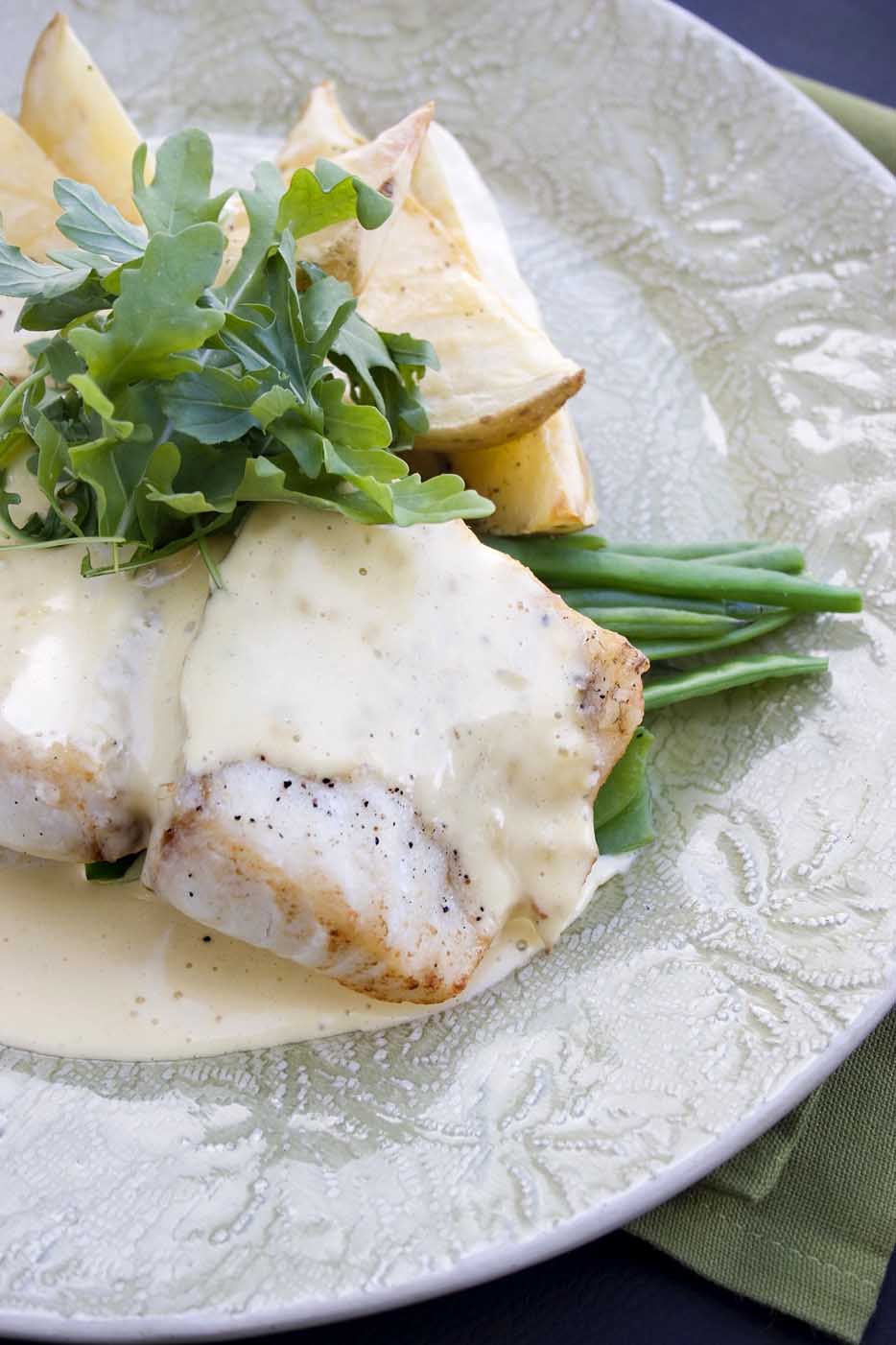
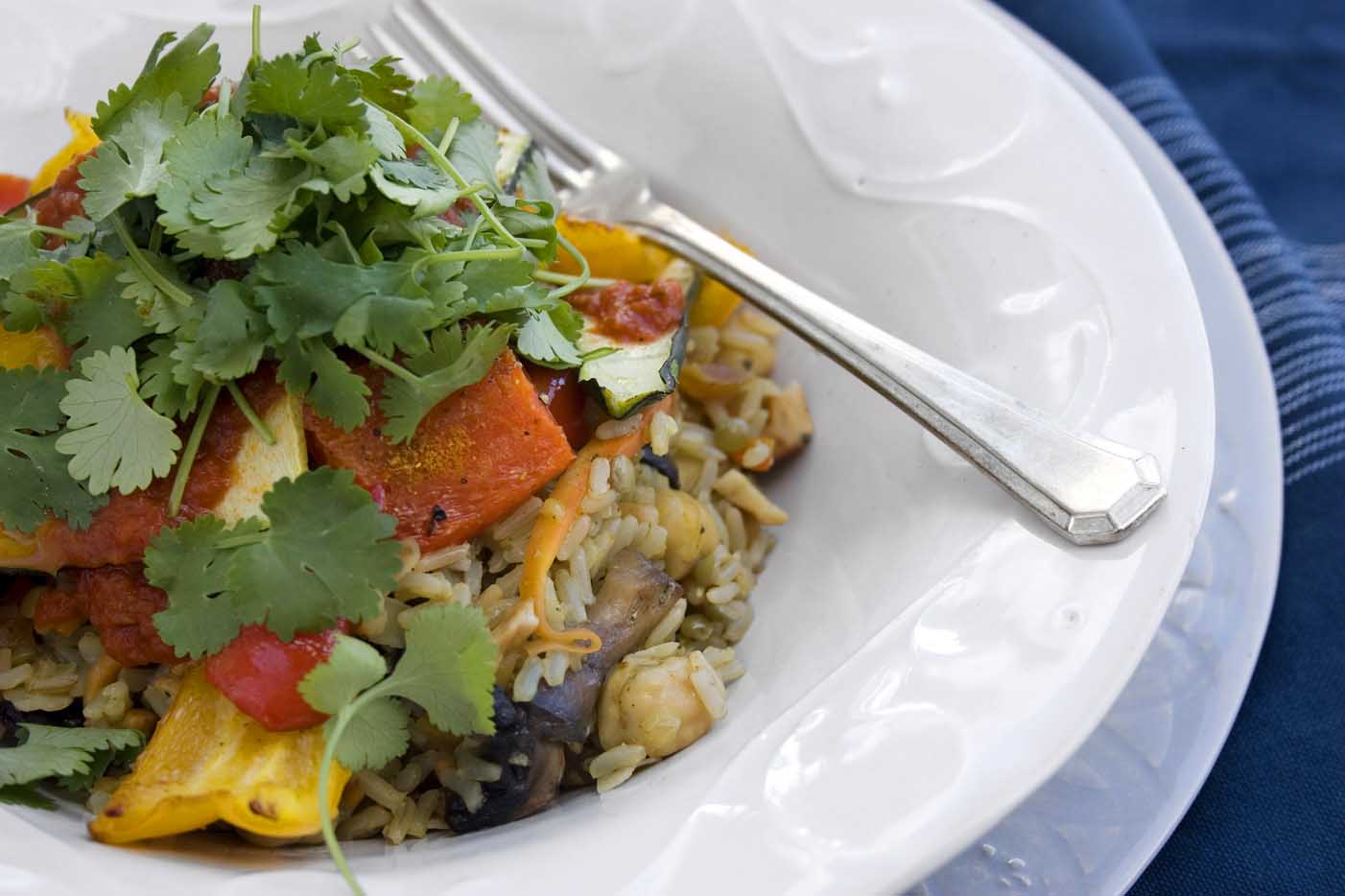
I don’t have any stats on ‘special needs’ diners, but here are some numbers I can share. For every group of 90, the breakdown of main course orders will be based upon the ratio of 60 meat: 20 fish: 10 vegetarian. On certain nights there may be a bias towards meat or fish, but seldom towards vegetarian. The ‘time-budget’ for assembling each plate is 15 seconds (i.e. plating the starch, the veg, the fish/meat, sauce and garnish).
Click here for the background to the June menu, or here for some niche diets that would put the kitchen under more than just a little pressure.
Join my mailing list to receive monthly updates: