
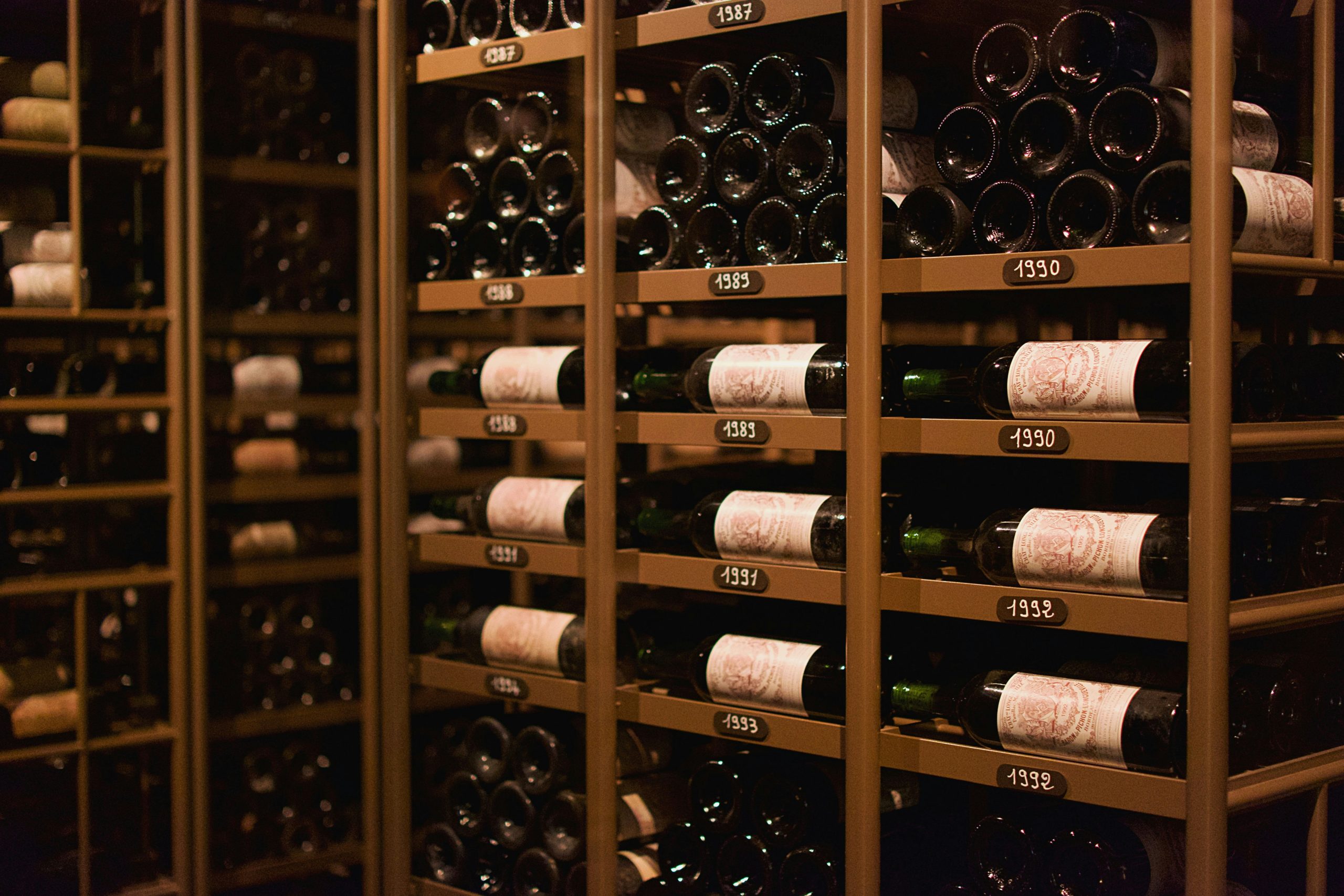
“Ask better questions” is an aphorism that I’m happy to buy into, and it’s one I’ve been thinking about in relation to a question I asked 20 years ago. That’s when I hosted a mini conference that aimed to examine the question, “Is the New World killing Bordeaux?”
At surface level, the intention of this wine nerdery was to investigate whether consumer-friendly New World wines were influencing the style of wines being made in Bordeaux. Under cover of this mantle, I was launching a Bordeaux-style wine from South Africa, called Lynchpin. The reason for the name lynchpin was the important role played in the blend by Cabernet Franc, and it was a nice coincidence that the word lynchpin is a composite of two famous Bordeaux wines, Chateau Lynch-Bages and Le Pin.
So far, so good. I added layers of cheek by doing this at a chateau in Bordeaux, and I invited a group of Bordelaise winemakers to present their case to a group of British wine writers that we’d flown over for the event (click here to read the report that I wrote soon after).
My original intention with today’s piece was to re-examine the craziness behind this caper. With the names of the wine makers already on record, I managed to find a list of the wine writers who attended (maybe I should be deleting old folders on my laptop, rather than preserving them as a pointless archive). I sent direct messages to the social media accounts of attendees, inviting their comment, both good and bad. I was ready for the negative. Part of me was hoping that the feedback would enable me to lampoon my folly.
What I didn’t expect was that I would get just one response, from a person who had no recollection of the gathering, even though she’d made a presentation. If I’d been carrying around a minor anxiety about it for all these years I would have been wasting energy; we clearly credit people with remembering many more of our past actions than we should!
Despite my hyperbolic clickbait-esque question, Bordeaux is still producing the kind of classically structured Cabernet Sauvignon-based wines it always has (and Merlot-based on the Right Bank). If anything, it’s the New World that has made a move in the direction of Europe, producing more restrained, elegant wines as wine drinkers have shifted away from overly alcoholic and extracted wines.
Bordeaux’s vineyards encompass over 100 000 hectares, making it the largest wine producing region in the world. For an indication of scale, all of South Africa’s vineyards clock in at around 90 000 hectares. The upper end of Bordeaux, which one would define as the classed growth wines in the Medoc, Saint-Émilion, Graves and Sauternes, is under 5% of the total. The implication is that Bordeaux’s lower price levels comprise vast quantities of wine.
Given the diversity in price points, from a few euros a bottle to over a thousand, the threats to Bordeaux are varied. When I started in wine retail, the cost of a very nice bottle of South African wine equated to the cost of two movie tickets plus popcorn and drinks. Similarly, the prices of concert tickets and bottles of classed growth Bordeaux these days are at similar levels to each other. The point I’m making with this is that many people can afford a bottle of top-end Bordeaux, even if they wouldn’t buy it. One could pose questions relating to the reasons why they see better value in spending the money attending a concert than sharing a special bottle with friends.
My original question was lazy, because I should have better defined what I meant by Bordeaux. There is no question that modern winemaking techniques, as practiced in the New World, would have benefited cellars that were heavy on traditional winemaking and light on hygiene. This applies at all price levels.
The passage of time delivers perspectives that require new questions.
I haven’t been involved in the marketing of wine for over 15 years. Whereas I used to drink wine (kind of moderately) throughout the week, this is now down to three nights a week, at an even more moderate level. When I pour wine into a glass it’s all about interest and quality.
In short, I’m one small step up on the growing cohort that is teetotal.
My burning questions relate to the future availability of the types of wine I like to drink. If the continued reduction in wine consumption decimates swathes of entry-level wine production, how does this affect the production of wines further up the pyramid? Does the pincer effect of reduced sales volumes and lower prices lead to alternative land use, even for sources of quality wines? Do winemakers in the New World still experiment with new vineyard sites in places where vines have never been grown? Is there a sector of the wine industry that is protected by virtue of its brands comprising what one could define as ‘luxury goods’?
I could go on. The threats are not from one wine region to the other. This time around it’s existential. I hope that I can look forward to drinking 25-year-old Bordeaux (as I did at this tasting), or even ones so youthful that I must arm myself with the experience of decades of wine drinking as I fight my way past brash tannins.