

Before humans could write, we used other ways to record or remember things. Lynne Kelly’s book, The Knowledge Gene, details our ancient ancestors making use of art or other constructions or physical objects as mnemonic devices. In a way, these worked as repositories of information. The likes of cave art, sculptures and large constructions helped early humans to remember stories and information. Not exactly MySQL, but database-adjacent nonetheless.
I’m going to put forward the drinking of landmark wines as performing a similar role. Of course, drinking too much will have the opposite effect on memory, but that’s another story.
On the Sunday before the start of 1999 Vinexpo, I was part of a group of South Africans who met up at Bar de la Poste in Saint-Émilion. It being a hot day, we ordered beers all round, which came to the table as a yard of beer (i.e. a tall tube with tap for dispensing). Having dealt with the worst of our thirst, self-appointed tour leader Clive Torr called for the wine list.
After a quick look, he asked if we were ok with sharing the cost of a special bottle, Guigal’s La Turque. Well, of course, when in France and all that.
No sooner had the order been placed than waiters were scurrying to put a fresh tablecloth on the larger table adjacent to ours. Then, in an unashamed display of inverse chauvinism, we were moved to this more desirable table with the maximum charm that a French waiter can display towards English speaking guests.
In seconds, we went from chopped liver to foie gras.
The wine was magnificent, a worthy marker of a memorable afternoon.
My next brush with La Turque happened in 2022. I was in the UK to watch Stradivarius attempting to win his fifth Goodwood Cup. With four wins in this race under his girth, he already held the record for the most wins.
Mother Nature is sparing in her distribution of genius. Horses like Stradivarius come along once in a lifetime. In his final season of racing, having already broken a variety of records, he was worthy of an international flight for a day at the races.
My daughter, Sophie, and I were hosted for the few days by the mighty chestnut’s owner-breeder, Bjorn Nielsen.
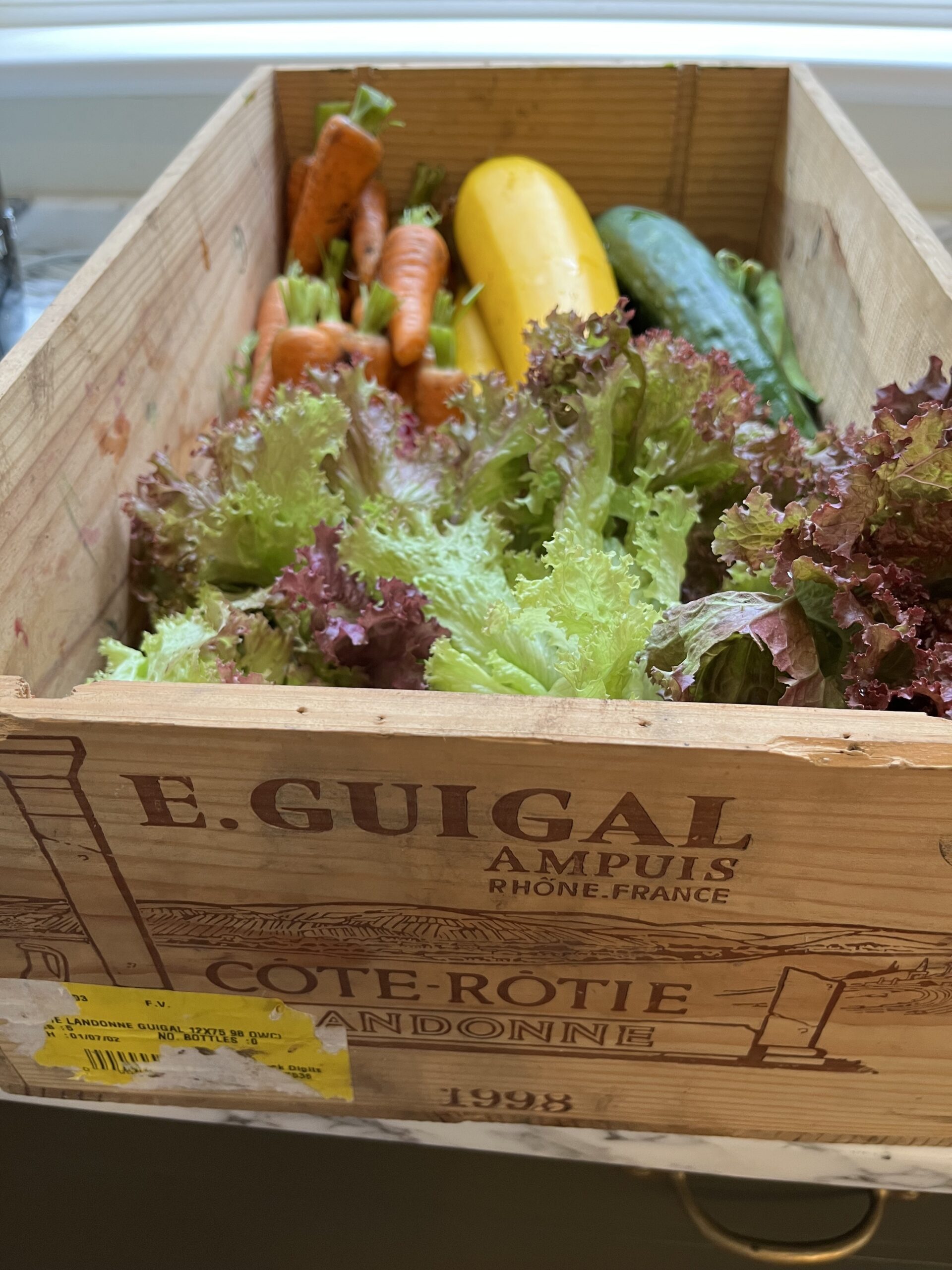
We were about to leave his house for the drive to the racecourse, when the gardener brought in the day’s harvest of vegetables, packed in a wooden wine box that had previously held Guigal’s La Landonne.
This led to us having a wine chat during which Bjorn told me about his wine merchant switching him onto ‘The La-Las’ – Guigal’s single vineyard wines (La Turque, La Landonne, La Mouline and La Doriane). I told him my Bar de la Poste story.
There was a festival atmosphere at Goodwood racecourse, with a variety of “Thank you Stradivarius” flags and banners, including one, many metres long, fixed to a wall in the car park.
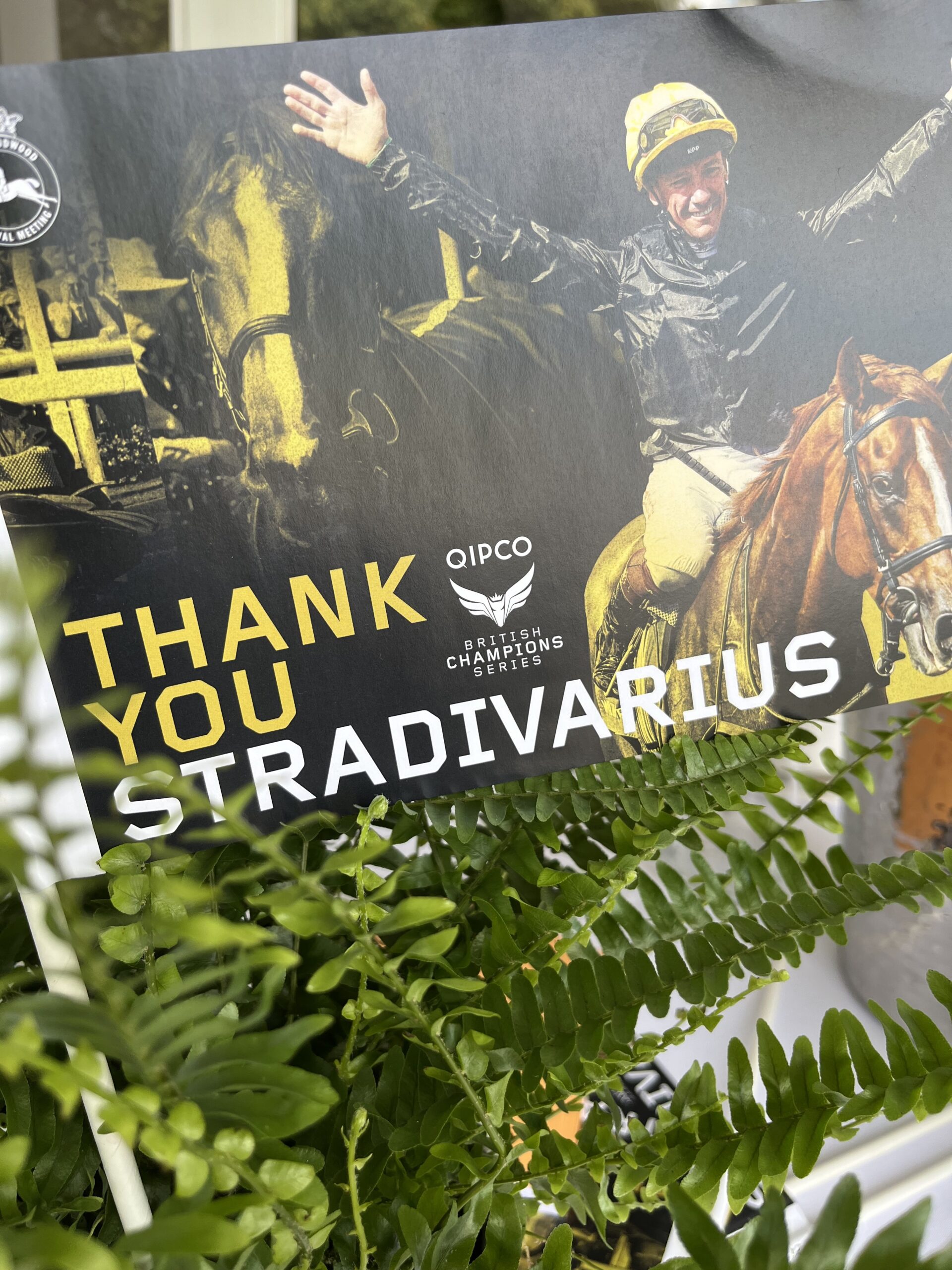
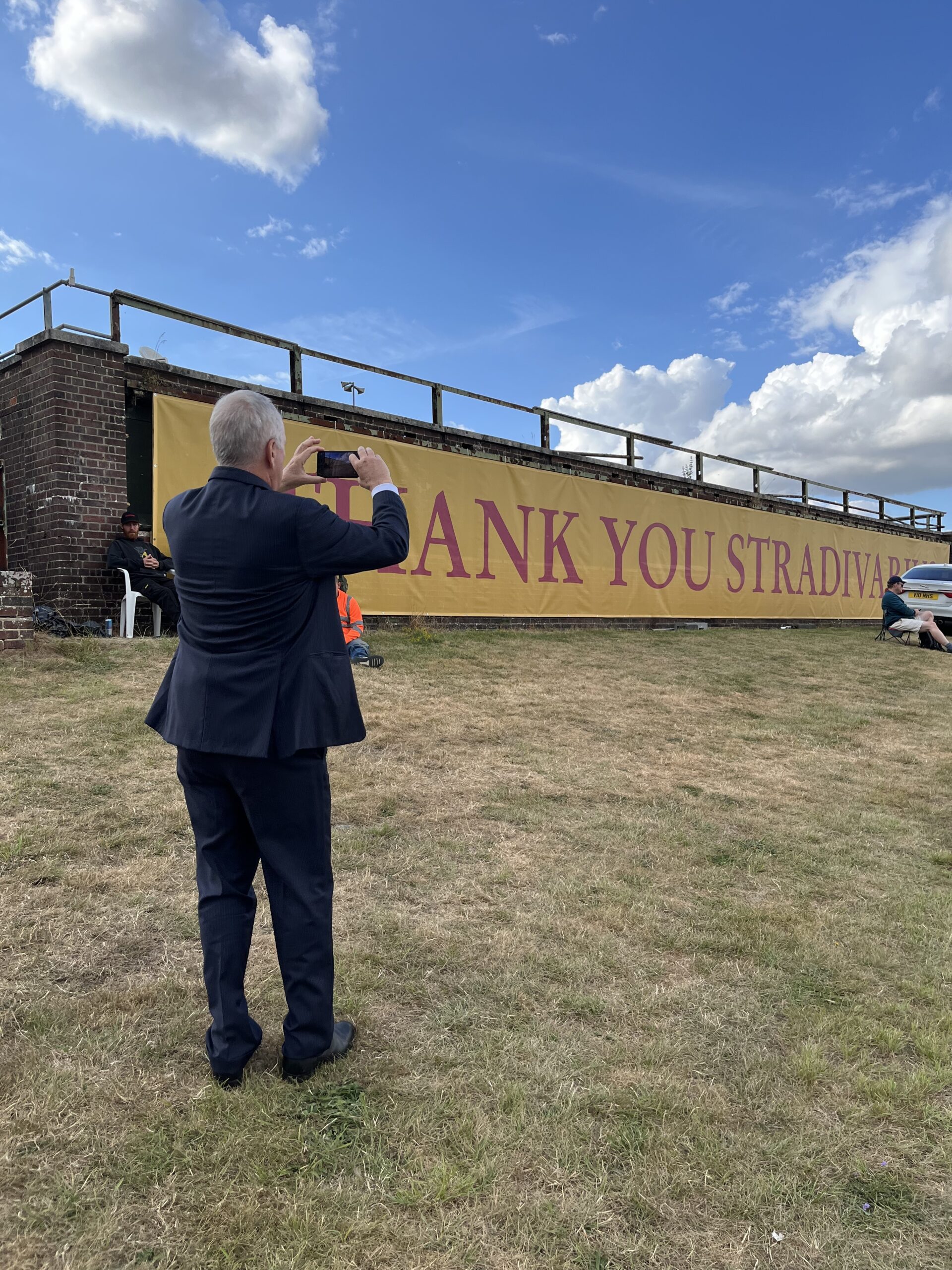
After lunch, and what the Americans call “the undercard”, we decamped to the parade ring for the prerace preliminaries. Viewing areas around the paddock were jammed with spectators, all wanting to feast on the sight of a champion. Stradivarius is not a big horse, but he walked with the stalk of a cat, exuding presence and a sense of occasion.
The Goodwood Cup is run over a distance of two miles. Stradivarius was uniquely endowed to shine in this true test, with its undulations and multiple bends. However, luck in running deserted him on this occasion, and he was a heartbreakingly close second after encountering trouble in the final furlongs.
Regardless of defeat, a large crowd gathered to cheer him upon his return to the parade ring. The expression of appreciation was enthusiastic, delivered in a way that only the British can, much like the clap that goes around the Lord’s members pavilion when a batsman has reached a milestone score in a test match.
Little did anyone know that this was to be his final race.
The intention was for Sophie and me to catch a train back to London the following day, but in view of a rail strike, we stayed another night. This is where La Turque, a wine generously endowed by Mother Nature, entered the picture. If not genius, it’s a wine that sits in the rarefied echelons of deliciousness and unique expression.
A bottle of 1998 was waiting on the table when we gathered for dinner, the seed having been planted by our conversation the previous morning.
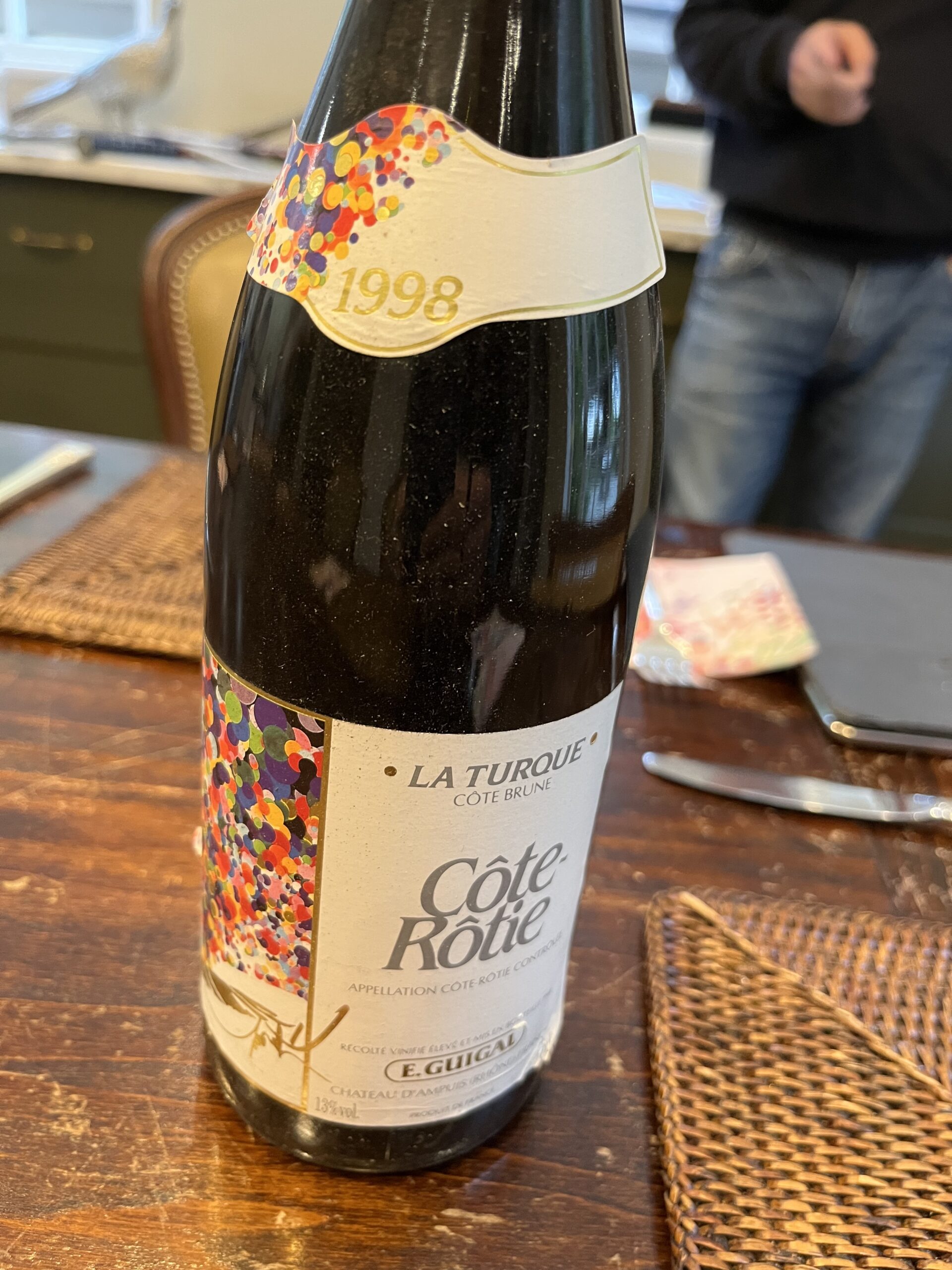
Despite there being just three of us drinking red wine, this bottle didn’t make it to dinner time. A second bottle – this one markedly fresher than the first – was opened. It was a stunning example of a great wine, showing beautifully 24 years after the vintage. I don’t think I’ll ever forget the experience of drinking it, although that may be because a third bottle was opened after we’d finished eating.
This was one of the most memorable wine drinking experiences of my life and probably the biggest spoil. An equine champion was the reason for my trip, and it ended with a similarly profound wine experience. We were awash in generosity.
A wine writer might at this point launch into a description of the wine, replete with references from sectors of the ‘flavour wheel’. A score may even be added. This is where I part ways with the wine establishment. Assigning a pseudo-empirical measurement to a subjective experience is just wrong.
I am in the camp of ‘experiences’ over ‘things’. Yes, a bottle of wine is a thing, but it becomes an experience once you start drinking it. Experiences lead to memories, hopefully ones which rise above the ambient, leaving us with recollections that resonate for decades. Encapsulated within those memories would be feelings as well as reminiscences of what else we were doing at the time.
Whatever can help us remember all of that is a powerful mnemonic device.
Stradivarius’ first crop of two-year-olds will race this year. It’s a big ask for them to match their sire’s achievements, but perhaps some of them will spark different kinds of Stradivarius memories.
One of our stud’s most important female lines traces to a mare called *Sauterne, through her daughter, Montrachet, and granddaughter, Nordic Vine. I have returned the wine theme to the female line by naming the three daughters of a mare from that family La Landonne, La Turque and La Doriane. Each of them will help me to keep vivid the memories of a pilgrimage to see a legend, as well as the happy days around it, filled as they were with kindness and generosity.
Thank you Stradivarius, indeed.
*Sauternes is the region in Bordeaux where sweet wines are made, most famously Yquem. Montrachet is the world’s greatest chardonnay vineyard.
La Landonne (by Legislate) was born in 2022, La Turque (by Jet Dark) in 2024 and La Doriane (by Futura) in 2025.